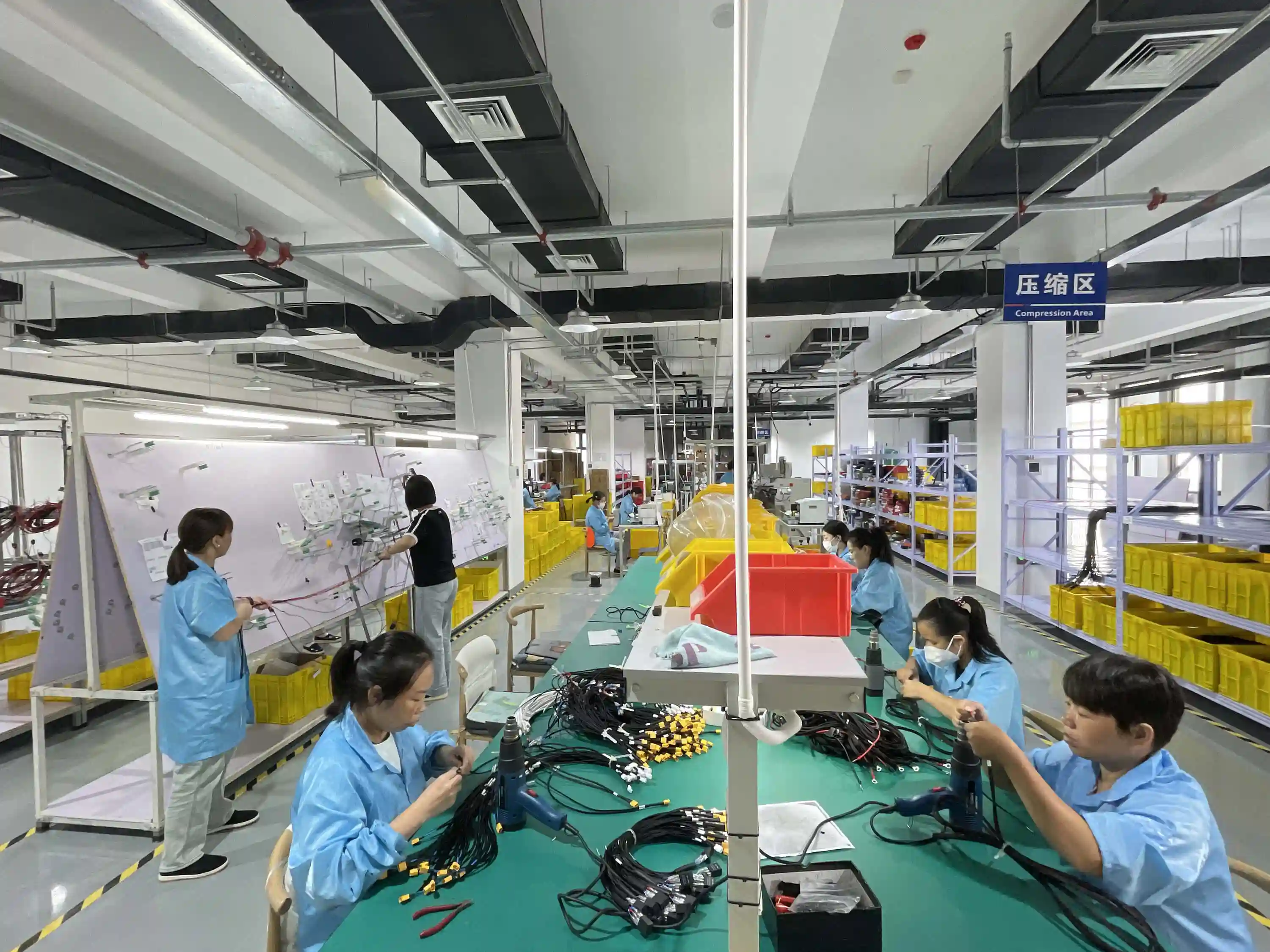
Fabricantes de Chicotes Elétricos para Aviônica, Cabine e Programas de UAV
A Fiongo fornece chicotes elétricos aeronáuticos produzidos pela fabricante do grupo Hebei Cloom para compradores que precisam de mais do que um cable set curto. Atendemos chicotes aeroespaciais multi-ramificação com controle de roteamento, proteção de ramo, rastreabilidade de material e teste elétrico 100%, do protótipo ao fornecimento recorrente.
Alinhado a EWIS
roteamento e disciplina de identificação
100%
teste elétrico por chicote
-55 °C a +200 °C
janela típica do sistema de fios
Protótipo a série
apoio para qualificação e fornecimento contínuo
O que o comprador realmente quer dizer ao buscar fabricantes de chicotes para aeronaves
Em compras aeroespaciais, um chicote elétrico não é só uma coleção de fios crimpados. Ele faz parte do electrical wiring interconnection system da aeronave, o que significa que roteamento, identificação, controle de ramo, blindagem e lógica de instalação importam todos. Essa é a diferença principal entre um fornecedor genérico de loom e um fabricante pronto para trabalho de chicote aeronáutico.
Programas ligados a cabines, aviônica, sistemas de missão ou equipamento de apoio também exigem disciplina ambiental. Os compradores costumam alinhar requisitos com referências como RTCA DO-160 e a orientação da FAA sobre projeto e segurança de fiação no programa FAA EWIS. Essas referências não substituem o pacote de desenho, mas deixam claro por que a geometria do chicote, a proteção e a documentação não podem ser improvisadas no fim do build.
A Fiongo posiciona este serviço entre nosso trabalho de cable assembly aeronáuticoe nossa capacidade mais ampla na indústria aeroespacial. A página que você está lendo é especificamente para compradores que precisam de chicotes com muitos ramos, geometria de instalação repetível, disciplina de inspeção e um fornecedor capaz de transformar dados de RFQ em um fluxo de produção estável.
Por que esta categoria é diferente
O que pesa na fabricação de chicotes para aeronaves
Chicotes para sistemas de aeronave, não só pequenos cable sets
Esta página foca em chicotes aeronáuticos multi-ramificação usados em baias de aviônica, cabines, distribuição de potência e sistemas de missão, em que roteamento, controle de ramificação e identificação pesam tanto quanto os terminais.
Roteamento focado em EWIS
Estruturamos comprimentos de ramo, geometria de breakout, pontos de fixação, sleeves e identificação a partir da lógica de instalação na aeronave, deixando o chicote mais fácil de qualificar, instalar e dar manutenção.
Materiais selecionados para ambientes aeroespaciais
Os programas podem usar famílias de fios AS22759 / MIL-DTL-22759, ETFE, XL-ETFE, PTFE, blindagem de alta confiabilidade e sistemas de conectores escolhidos para vibração, temperatura e vida útil longa.
Blindagem e separação para circuitos sensíveis
Aviônica, RF, dados e potência são tratados como riscos elétricos diferentes. Revisamos blindagem, estratégia de aterramento, segregação de ramos e abordagem de backshell antes de liberar o projeto.
Documentação que ajuda na qualificação
Wire list, mapa de pinos, controle de BOM, lógica de etiquetas, registros de first article e relatório de teste por lote reduzem ambiguidade quando o chicote sai do protótipo, passa pelo piloto e entra em produção recorrente.
Fornecimento pronto para programas aeroespaciais
Atendemos protótipos, chicotes de reposição, builds aeronáuticos de baixo volume e fornecimento OEM recorrente, com embalagem, etiquetagem e controle de revisão pensados para recebimento controlado.
Escopo técnico
Envelope típico de build para programas aeroespaciais
| Escopo do chicote | Chicotes multi-ramificação, sub-chicotes, chicotes de gabinete, looms de cabine e montagens mistas de potência + sinal |
| Sistemas de fio | AS22759 / MIL-DTL-22759, ETFE, XL-ETFE, PTFE e outras construções qualificadas conforme o programa |
| Famílias de conectores | MIL-DTL-38999, micro-D, circulares selados, interconexões da família ARINC, conectores RF e referências do cliente |
| Opções de proteção | Sleeve trançado, termorretrátil, marcadores de identificação, capas, alívio de tração, backshells e proteção de ramo |
| Testes | Continuidade, pinout, resistência de isolamento, hi-pot quando especificado, critérios visuais e verificação dimensional dos ramos |
| Identificação | Marcadores de fio, etiquetas de ramo, rastreio por serial ou lote e referências de revisão controladas |
| Modelos de programa | Amostra de engenharia, first article, lote piloto, produção aeronáutica de baixo volume e fornecimento recorrente |
| Uso típico | Aviônica, sistemas de cabine, UAVs, satcom, radar, equipamentos de missão e sistemas aeroespaciais de apoio em solo |
Fluxo do programa
Da RFQ ao fornecimento de chicotes repetível
RFQ e revisão de desenho
Revisamos desenhos, schedules de fios, callouts de conector, comprimentos de ramo, regras de blindagem e premissas de instalação antes de congelar a abordagem de build.
Definição de material e roteamento
A engenharia alinha família de fio, proteção de ramo, etiquetas, backshells e estratégia de breakout ao ambiente real da aeronave, em vez de tratar o chicote como um loom genérico.
Protótipo e first article
Os primeiros chicotes validam encaixe, roteamento, manutenibilidade e intenção elétrica antes de o programa se comprometer com o fornecimento recorrente.
Montagem controlada
Roteamento em form-board, controle de corte/desencape, ajustes de crimpagem, dressing de ramo e identificação ficam travados para que o chicote permaneça repetível entre lotes.
Inspeção e teste 100%
Cada chicote é verificado por pinout, continuidade e critérios elétricos definidos, com checkpoints dimensionais e visuais em ramos, etiquetas e detalhes de proteção.
Entrega rastreável
Os chicotes seguem com referências de lote ou serial, embalagem de proteção e registros que ajudam recebimento, instalação e controle de reposição futuro.
Aplicações
Onde esses chicotes são usados
Baias de aviônica e instrumentação
Chicotes para displays, instrumentação de voo, concentradores de dados, navegação e módulos de comunicação, onde controle de ramo e blindagem são críticos.
Ver página relacionadaDistribuição elétrica de cabine e interior
Sub-chicotes para assentos, iluminação, IFE, painéis e eletrônica de apoio, em que repetibilidade de instalação importa mais do que capacidade genérica de cable assembly.
Ver página relacionadaUAVs, drones e equipamentos de missão
Chicotes leves para controle, payload, telemetria e distribuição de potência, com design de breakout controlado e identificação clara.
Ver página relacionadaEquipamentos de apoio em solo e teste aeroespacial
Chicotes para simuladores, bancadas, gabinetes de apoio e sistemas adjacentes ao aeroespacial que ainda exigem documentação disciplinada e roteamento repetível.
Ver página relacionadaEm chicote aeronáutico, o problema raramente é só a qualidade da terminação. O risco real está na lógica de ramo, nas escolhas de proteção, na disciplina de etiquetagem e na repetibilidade da instalação na aeronave ou no equipamento.
Por isso nosso processo começa pela revisão de roteamento e documentação, não só pela capacidade de crimpagem.
Serviços relacionados
Páginas que os compradores costumam abrir em seguida
Cable Assembly Aeronáutico
Para sets de interconexão mais curtos, links RF e montagens aeroespaciais centradas no cabo.
Abrir página relacionadaChicote de Precisão
Quando geometria de ramo, posição de conector e repetibilidade dimensional são especialmente apertadas.
Abrir página relacionadaChicote de Linha de Fábrica
Para OEMs que precisam transformar o chicote em um fluxo de produção recorrente estável.
Abrir página relacionadaTeste de Chicote Elétrico
Inspeção elétrica, verificação de pinout e controle de qualidade por lote para programas exigentes.
Abrir página relacionadaFAQ
Perguntas comuns de compra
Qual a diferença entre um chicote elétrico de aeronave e um cable assembly aeronáutico?
O cable assembly aeronáutico costuma ser uma interconexão mais curta ou um build centrado em cabo. Já o chicote envolve múltiplos ramos, lógica de roteamento, etiquetas, proteção e geometria de instalação em um sistema elétrico mais amplo. Esta página é sobre esse lado de chicote do trabalho.
O que o comprador deve checar ao comparar fabricantes de chicotes para aeronaves?
Olhe além da crimpagem do terminal. O fornecedor precisa demonstrar controle de roteamento de ramo, identificação de fio, estratégia de blindagem, rastreabilidade de material, repetibilidade em form-board, controle de revisão e cobertura 100% de teste elétrico antes do embarque.
Vocês atendem sistemas de fio MIL-SPEC e qualificados para aeroespacial?
Sim. Os programas podem ser construídos em torno de famílias de fio aeronáuticas como AS22759 / MIL-DTL-22759 e sistemas de conector, hardware de proteção e requisitos de teste especificados pelo cliente, conforme a BOM e o pacote de desenho do programa.
A Fiongo trabalha com protótipos e chicotes aeronáuticos de baixo volume?
Sim. Atendemos protótipos, builds de reposição, lotes piloto e fornecimento recorrente. Isso é útil para programas de qualificação, retrofit e produtos aeroespaciais que não rodam em volumes estilo automotivo.
Quais documentos ajudam a cotar um chicote aeronáutico com precisão?
Um desenho com comprimentos de ramo, wire list, part numbers de conector, notas de blindagem, regras de etiqueta, requisitos de teste, volume esperado e fotos ou contexto de instalação encurtam bem o ciclo de RFQ.
Quais referências de qualidade são relevantes para chicotes de aeronave?
Os programas frequentemente referenciam disciplina EWIS, expectativas ambientais ligadas ao RTCA DO-160 e workmanship de alta confiabilidade conforme IPC/WHMA-A-620. A Fiongo não é registrada na AS9100; quando o programa exige um sistema de qualidade no nível AS9100, isso é tratado no nível do cliente ou do programa. O stack exato depende da plataforma da aeronave e dos requisitos do comprador.
Referências públicas
Referências estáveis para enquadrar requisitos
EWIS (Electrical Wiring Interconnection System)
Contexto sobre EWIS como conceito de sistema e programa FAA: requisitos de projeto, segurança de fiação e manutenção de chicote aeronáutico.
RTCA DO-160
Contexto de teste ambiental frequentemente discutido quando o comprador aeroespacial monta o requisito do chicote.
IPC/WHMA-A-620
Padrão de workmanship para cabos e chicotes, usado como referência de critérios de aceitação na montagem.
Precisa de um fornecedor de chicote aeronáutico que feche roteamento, materiais e escopo de teste com clareza?
Envie seu pacote de desenho, wire list, callouts de conector e volume alvo de build. Avaliamos o chicote como um programa aeroespacial controlado, em vez de tratá-lo como cotação genérica de cabo.